GRIT: Well-being, Connection & Future Readiness
Games for well-being, connection, and the futures young people imagine
Growing up brings choices that can feel enormous. How do I handle pressure online? Where do I belong? What kind of future could I build?
Games for Resilience and Interactive Transformation (GRIT) gives young people a supported space to explore those questions through collaborative role-play, reflection, and practice.
We work with funders and community partners to design culturally grounded programs around the outcomes they want to support, with a plan for measuring progress built in.
A place to practice what life asks of us
A difficult conversation. A disagreement with a friend. Pressure to fit in. The uncertainty of a first job. Young people need opportunities to work through these experiences with support, room to experiment, and the freedom to make their own choices.
GRIT creates stories in which participants can explore a situation through a character. They make decisions together, experience the consequences within the game, and reflect on what they might carry into daily life. The sessions are human-led and screen-free.
What is GRIT?
GRIT is a trauma-informed framework for transformative role-playing games. It combines carefully designed scenarios with trained facilitation, player choice, and structured reflection. Cultura Connector develops each adaptation with people who understand the community’s language, culture, and lived experience. The framework can support different priorities. The people involved help determine the program’s goals, the stories participants will explore, and how success will be assessed. Age, accessibility, local resources, and safeguarding needs shape the design.
What could your community explore?
Digital well-being
Online comparison, constant connection, and pressure to perform can become useful starting points for a story. Participants could practice setting boundaries, responding to peer pressure, and choosing when to seek support.
Possible outcomes to assess: confidence setting digital boundaries, coping strategies, and offline social connection.
Career exploration and work readiness
A fictional community needs a plan. A team has competing priorities. Someone must ask for help or respond to feedback. These situations give participants opportunities to rehearse workplace interactions while exploring their interests and strengths.
Possible outcomes to assess: demonstrated communication and teamwork skills, confidence seeking feedback, and clarity about next steps.
Learning and life transitions
Changing schools, preparing for further education, or taking on new responsibilities can bring uncertainty. Stories can help participants explore decisions, practice responding to setbacks, and identify the people and resources they can turn to.
Possible outcomes to assess: coping confidence, decision-making skills, and readiness for a specific transition.
Cultural bridge-building
Shared stories can create opportunities to explore different perspectives and practice cooperation. Local cultural advisors help shape sensitive scenarios, particularly when communities have experienced tension or conflict. Participation and disclosure remain voluntary.
Possible outcomes to assess: perspective-taking, respectful dialogue, and willingness to cooperate across differences.
Social connection and emotional skills
Participants work through shared challenges and consider how their choices affect others. Facilitated reflection creates space to discuss emotions, friendship, belonging, and asking for support.
Possible outcomes to assess: emotional awareness, help-seeking confidence, and quality of peer connection.
These are proposed applications and outcome areas. Each partnership would determine which are appropriate and what evidence is needed to evaluate them.
How a GRIT experience works
Frame the experience
Participants learn what the session involves, why they’re taking part, and what choices they have. The facilitator establishes expectations and introduces the story.
Calibrate the challenge
Learning can involve discomfort. Players help set boundaries before interactions happen and can adjust their participation as the session unfolds. Consent and options to pause or step back are part of the design.
Play with purpose
A trained facilitator guides a scenario built around the agreed outcomes. Participants make choices, try approaches, and respond to one another within the story.
Reflect and carry it forward
During the debrief, participants step out of character and consider what happened. They connect the experience to their own lives and identify something they may want to practice. Later sessions can revisit those intentions.
Evidence that helps you decide what comes next
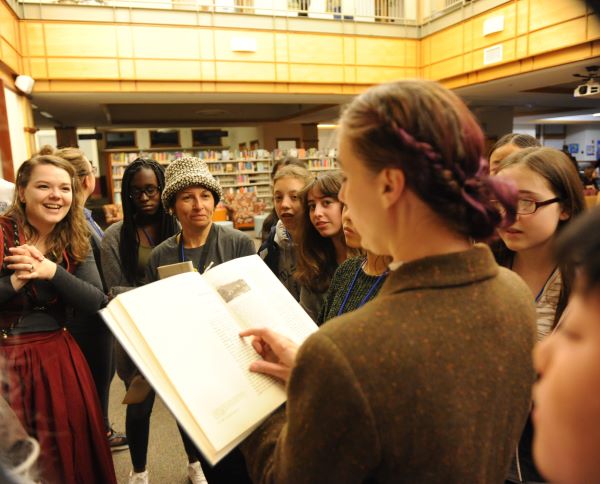
GRIT draws on transformative game design and research on role-playing. Each new application needs its own evaluation. We’ll agree in advance on the questions the pilot should answer and how the findings will inform further development.
Depending on the goals and setting, evaluation may combine suitable validated measures with observed skill demonstrations and participant feedback. Baseline, end-of-program, and follow-up assessments can help distinguish immediate responses from changes that continue over time.
Attendance, participant experience, and delivery challenges also matter. We’ll define how information is collected and protected, who reviews it, and what the results can reasonably tell us. Where a formal study is appropriate, we can explore collaboration with qualified research partners.
Local leadership and participant care
Culture shapes how people communicate, understand challenges, and ask for help. Local collaborators guide language, representation, and what is appropriate to explore. Facilitators receive preparation in the framework, group management, and trauma-informed practice.
Each implementation includes a plan for consent, confidentiality, safeguarding, and referral to additional support. The level of mental health professional involvement is agreed according to participant needs and program scope. Participation never requires sharing a personal experience.
What your partnership can make possible
Funding can support local consultation and scenario development, facilitator preparation, and program delivery. It can also cover accessibility, safeguarding, and the evaluation needed to decide whether and how to expand.
We welcome conversations with foundations, social investment networks, education and youth organizations, employers, and community partners. A pilot may focus on one priority or connect related goals, such as well-being and work readiness. Costs depend on the setting, participant group, delivery model, and research requirements.
About Cultura Connector
Cultura Connector is a U.S. 501(c)(3) nonprofit working at the intersection of cultural representation, community resilience, and transformative games. GRIT reflects our commitment to programs that respect local knowledge and give communities an active role in shaping their own experiences.
Our post-crisis GRIT initiative focuses on communities affected by displacement and loss. We’re also seeking partners to develop and evaluate the broader applications described here.